
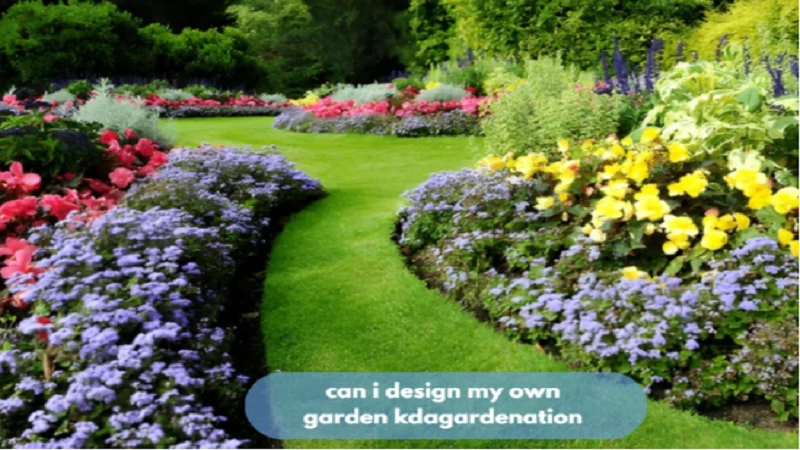
Designing a garden layout is an exciting process that allows you to turn your outdoor space into a beautiful and functional area. Whether you have a small backyard or a large open space, proper planning is essential. A well-designed garden not only improves the look of your home but also creates a peaceful environment where you can relax.
This guide will help you understand how to design your garden step by step using simple and practical methods. With the right approach, anyone can create a garden that is both attractive and easy to maintain.
Understanding the Basics of Garden Design
Before starting your garden, it is important to understand some basic principles. A good garden layout combines beauty, function, and sustainability.
A successful design focuses on:
- Proper use of space
- Plant selection based on environment
- Easy movement through pathways
- Balance between different elements
Planning carefully before planting can save time, effort, and money later.
Analyze Your Garden Space
Measure Your Area
Start by measuring your garden space. Create a simple sketch showing:
- Boundaries
- Existing trees or structures
- Open areas
Accurate measurements help you plan where to place plants, paths, and features. According to gardening guides, measuring and mapping your space is the foundation of a good layout.
Check Sunlight and Shade
Observe how sunlight moves across your garden during the day. Some plants need full sunlight, while others grow better in shade.
Understand Soil and Drainage
Healthy soil is key to plant growth. Make sure:
- Soil drains properly
- It is rich in nutrients
- Compost is added if needed
Define Your Garden Purpose
Before designing, ask yourself what you want from your garden:
- A relaxing space
- A vegetable garden
- A flower garden
- A family sitting area
Having a clear purpose helps you design a layout that fits your needs. A garden should match your lifestyle and how you plan to use it.
Create a Functional Garden Layout
Divide into Zones
One of the most important steps in how to design a garden layout or gardenation is dividing your garden into zones.
Examples include:
- Planting zone
- Seating area
- Pathways
- Decorative area
Zoning helps organize your garden and makes maintenance easier. Grouping plants with similar needs also improves growth and efficiency.
Plan Pathways
Paths connect different areas of your garden. You can use:
- Gravel
- Stone
- Bricks
Paths should be wide enough for easy movement and should follow natural walking routes. Good pathways improve both function and design.
Choose the Right Garden Style
There are different garden styles you can choose from:
Formal Garden
- Straight lines
- Symmetrical design
- Clean and organized look
Informal Garden
- Curved paths
- Natural appearance
- Relaxed style
Mixed Style
A combination of both formal and informal elements.
Choosing a style helps create a consistent and attractive layout.
Select Suitable Plants
Choose According to Climate
Always select plants that suit your local climate and soil conditions. Native plants are often the best choice because they require less maintenance and grow easily.
Create Layers
Arrange plants in layers:
- Tall plants at the back
- Medium plants in the middle
- Small plants at the front
This creates depth and makes your garden visually appealing.
Add Variety
Use a mix of:
- Flowers
- Shrubs
- Trees
This adds color, texture, and balance to your garden.
Add Structural Elements
Garden Beds and Borders
Define areas using borders or raised beds. This keeps your garden neat and organized.
Focal Points
Every garden should have a focal point such as the following:
- A tree
- A fountain
- A bench
Focal points attract attention and give your garden character.
Vertical Elements
Use structures like:
- Trellises
- Pergolas
- Arches
These add height and make your garden more dynamic.
Watering and Irrigation
Water is essential for plant growth. Plan your watering system carefully.
Irrigation Options
- Drip irrigation (efficient)
- Sprinklers
Watering Tips
- Water early morning or evening
- Avoid overwatering
- Ensure proper drainage
A good watering system saves time and keeps plants healthy.
Design for Comfort and Use
A garden should not only look good but also be comfortable.
Seating Area
Add chairs or benches where you can relax.
Shade and Shelter
Use umbrellas or pergolas to create shade.
Lighting
Outdoor lights improve safety and allow you to enjoy your garden at night.
Maintenance Planning
Maintenance is important to keep your garden looking fresh.
Regular Care
- Water plants regularly
- Remove weeds
- Trim plants
Seasonal Maintenance
- Add fertilizers
- Replace seasonal plants
- Check soil condition
A well-maintained garden stays healthy and attractive throughout the year.
Common Mistakes to Avoid
While learning how to design a garden layout (can i design my own garden kdagardenation), avoid these common mistakes:
- Overcrowding plants
- Ignoring sunlight needs
- Poor drainage
- Lack of planning
Avoiding these mistakes will help you create a better and more sustainable garden.
Benefits of a Well-Designed Garden
Designing your garden properly offers many benefits:
- Improves mental health
- Enhances property value
- Provides fresh air and relaxation
- Supports nature and wildlife
A good garden becomes a peaceful place where you can enjoy your time.
Practical Tips for Beginners
If you are new to gardening, follow these simple tips:
- Start with a small area
- Choose easy-to-grow plants
- Keep the design simple
- Learn as you go
Gardening is a process, and experience will help you improve over time.
Conclusion
Learning how to design a garden layout can i design my own garden kdagardenation is all about planning, creativity, and understanding your space. By analyzing your garden, choosing the right plants, and organizing your layout properly, you can create a beautiful and functional outdoor area.
Remember that a perfect garden does not happen overnight. With patience, regular care, and thoughtful design, your garden can become a relaxing and enjoyable space for years to come. See More