
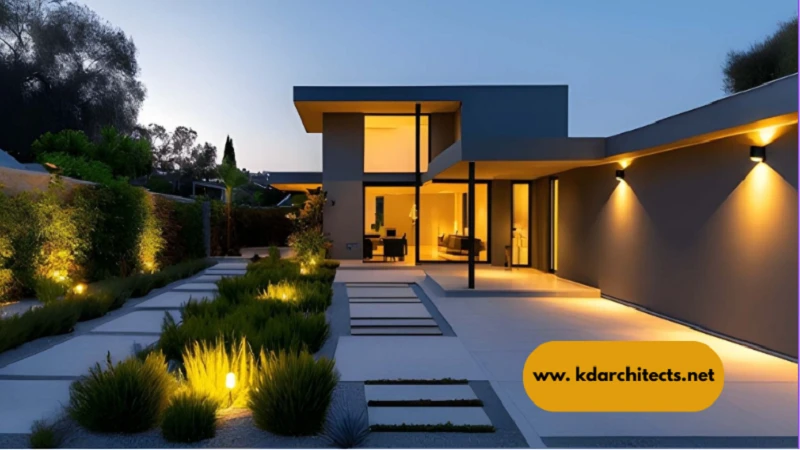
Architecture plays a vital role in shaping the spaces where people live, work, and interact. From small homes to large commercial buildings, thoughtful design influences comfort, functionality, and long-term value. Understanding the basics of architecture can help individuals make better decisions when planning or improving a property. This article provides a simple and informative guide to architectural design, its importance, and practical guidelines for achieving effective results.
What Is Architecture?
Architecture is the art and science of designing buildings and spaces. It combines creativity with technical knowledge to create structures that are both functional and visually appealing. Good architecture considers factors such as:
- Space utilization
- Safety and durability
- Environmental impact
- Aesthetic value
A well-designed structure is not just attractive—it also serves its purpose efficiently.
Importance of Good Architectural Design
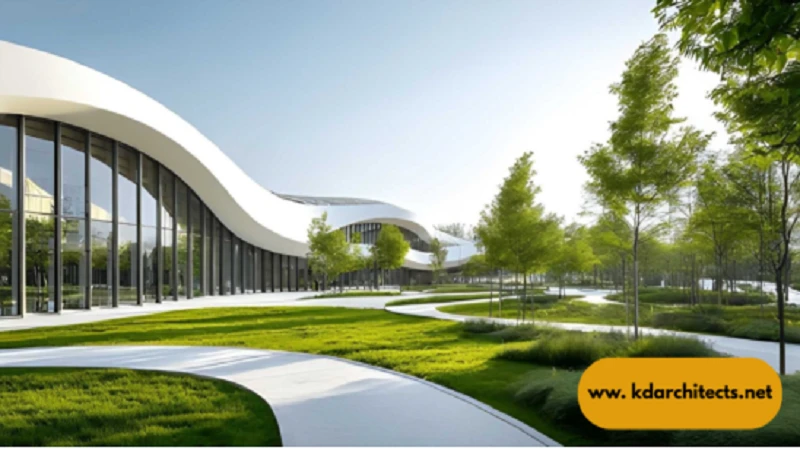 1. Enhances Functionality
A well-planned design ensures that every space is used effectively. Rooms are arranged logically, making daily activities easier and more comfortable.
2. Improves Aesthetic Appeal
Architecture adds beauty to buildings and surroundings. Attractive designs can increase property value and create a positive impression.
3. Ensures Safety
Proper architectural planning includes safety measures such as strong foundations, proper ventilation, and secure layouts.
4. Supports Sustainability
Modern architecture focuses on energy efficiency and eco-friendly practices, reducing environmental impact.
As reflected in ww.kdarchitects.net, balancing functionality and design is key to successful architecture.
Key Elements of Architecture
 1. Layout and Planning
The layout determines how spaces are organized. A good layout ensures smooth movement and efficient use of space.
2. Materials
Choosing the right materials affects durability, cost, and appearance. Common materials include concrete, wood, steel, and glass.
3. Lighting
Natural and artificial lighting play an important role in comfort and energy efficiency.
4. Ventilation
Proper airflow improves indoor air quality and overall well-being.
Steps in the Architectural Design Process
Step 1: Understanding Requirements
Before starting a project, it’s important to understand the needs and expectations of the client or user.
Step 2: Concept Development
Architects create initial design ideas based on requirements, budget, and site conditions.
Step 3: Design Planning
Detailed drawings and plans are prepared, including layouts, elevations, and structural details.
Step 4: Construction
The design is executed with the help of engineers, builders, and contractors.
Step 5: Final Inspection
After construction, the building is inspected to ensure it meets safety and quality standards.
Types of Architectural Styles
1. Modern Architecture
Focuses on simplicity, clean lines, and minimal decoration.
2. Traditional Architecture
Reflects cultural heritage and historical design elements.
3. Contemporary Architecture
Combines modern trends with innovative techniques and materials.
4. Sustainable Architecture
Emphasizes eco-friendly design, energy efficiency, and minimal environmental impact.Guidelines for Effective Architectural Design
Keep It Functional
Design spaces based on how they will be used. Functionality should always come first.
Focus on Simplicity
Simple designs are often more practical and easier to maintain.
Plan for the Future
Consider future needs such as expansion or changes in usage.
Use Quality Materials
Investing in good materials ensures durability and reduces maintenance costs.
Balance Aesthetics and Practicality
A design should look good but also be practical and comfortable.
These principles, similar to those discussed in ww.kdarchitects.net, help create balanced and effective designs.
Common Mistakes to Avoid
Poor Space Planning
Inefficient layouts can make spaces uncomfortable and difficult to use.
Ignoring Natural Light
Lack of natural light can make interiors feel dull and increase energy consumption.
Overcomplicating Design
Complex designs can increase costs and maintenance requirements.
Neglecting Ventilation
Poor airflow can affect health and comfort.
Role of Technology in Architecture
Technology has transformed the field of architecture. Modern tools help improve accuracy, efficiency, and creativity.
Examples of Architectural Technology
- Computer-aided design (CAD) software
- 3D modeling tools
- Virtual reality for design visualization
- Smart building systems
These tools allow architects to create detailed designs and identify potential issues before construction begins.
Sustainable Architecture Practices
 Sustainability is an important aspect of modern architecture. It focuses on reducing environmental impact while improving efficiency.
Key Practices
- Using renewable energy sources
- Designing energy-efficient buildings
- Reducing waste during construction
- Incorporating green spaces
Adopting sustainable practices benefits both the environment and property owners.
Tips for Homeowners
If you are planning to build or renovate a property, consider the following tips:
- Clearly define your needs and budget
- Work with experienced professionals
- Review design plans carefully
- Prioritize functionality over appearance
- Plan for long-term maintenance
Following these steps can help ensure a successful project.
Future Trends in Architecture
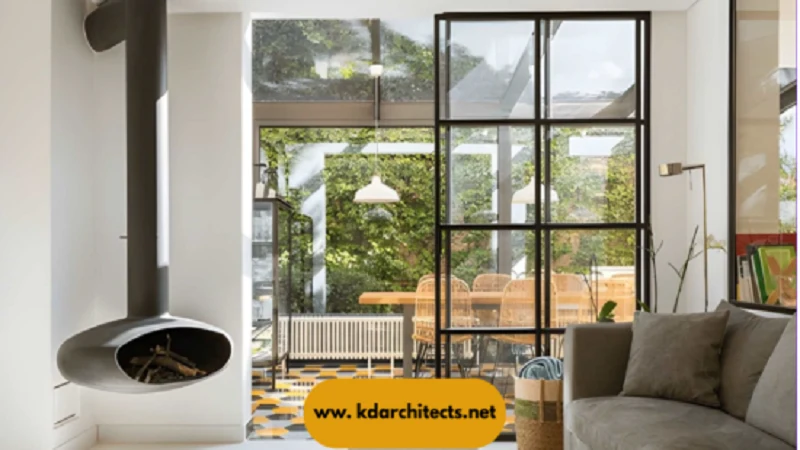 Architecture continues to evolve with changing needs and technologies. Some emerging trends include:
- Smart homes with automated systems
- Eco-friendly and energy-efficient designs
- Flexible and multi-purpose spaces
- Use of advanced construction materials
These trends aim to create more comfortable, efficient, and sustainable living environments.
Conclusion
Architecture is a powerful combination of creativity and practicality. It shapes the way people experience spaces and influences daily life in many ways. By understanding the basic principles of architectural design, anyone can make better decisions when building or improving a property.
The ideas presented in ww.kdarchitects.net highlight the importance of thoughtful planning, quality materials, and sustainable practices. Whether you are designing a small home or a large building, focusing on functionality, simplicity, and long-term value will lead to better results.
With proper planning and attention to detail, architecture can transform ordinary spaces into comfortable, efficient, and visually appealing environments that stand the test of time. See More