
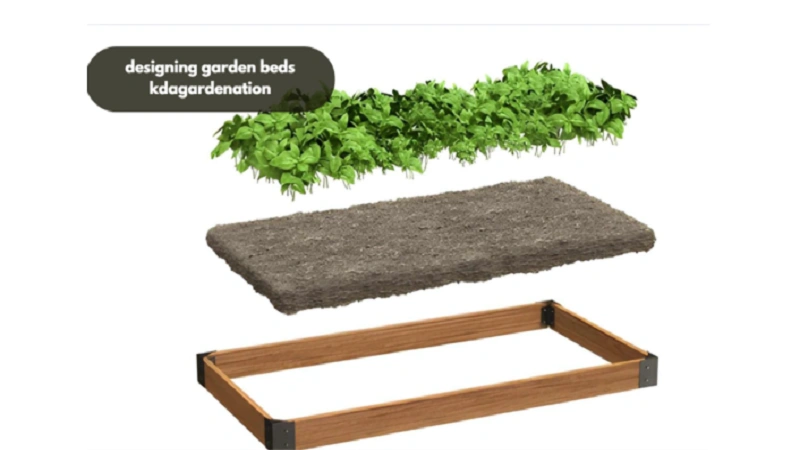
Designing a garden bed is one of the most important steps in creating a beautiful and productive garden. Whether you are growing vegetables, flowers, or herbs, a well-planned garden bed can improve plant growth, make maintenance easier, and enhance the overall look of your outdoor space. In this article, you will learn simple and practical guidelines to design garden beds effectively, even if you are a beginner.
Understanding Garden Bed Design
Garden bed design is not just about placing plants in soil. It involves planning the layout, choosing the right location, preparing the soil, and selecting suitable plants.
A Designing Garden Beds Kdagardenation approach focuses on simplicity, functionality, and smart use of space to achieve better results.
Choosing the Right Location
Sunlight Requirements
Most plants need at least 6–8 hours of sunlight daily for healthy growth.
Good Drainage
Avoid areas where water collects. Raised beds help improve drainage and prevent root damage.
Easy Access
Place garden beds close to your home so watering and maintenance become easier.
Types of Garden Beds
Raised Garden Beds
Raised beds are one of the most popular choices. They allow better control over soil quality and drainage.
- Improve soil conditions
- Reduce weeds
- Easy to maintain
Raised beds also warm up faster in spring, helping plants grow earlier.
In-Ground Beds
These are traditional garden beds created directly in the soil. They are cost-effective but may require more effort.
Container Beds
Perfect for small spaces like balconies or patios.
Planning the Layout
Bed Size
A standard width of about 3 to 4 feet allows you to reach the center easily without stepping on the soil.
Pathways
Leave enough space between beds for walking and maintenance.
Shape and Design
- Rectangular beds are easy to manage
- Curved or L-shaped beds add visual appeal
- Vertical gardening works well in small spaces
Planning the layout properly makes gardening more efficient and enjoyable.
Soil Preparation
Importance of Good Soil
Healthy soil is the foundation of a successful garden.
Add Organic Matter
Use compost or natural fertilizers to improve soil quality.
Test Soil
Check pH levels and nutrients before planting.
Nutrient-rich and well-drained soil helps plants grow stronger and healthier.
Choosing the Right Plants
Climate-Based Selection
Choose plants that grow well in your local climate.
Companion Planting
Some plants grow better together and help prevent pests.
Seasonal Plants
Grow plants according to the season for better results.
A Designing Garden Beds Kdagardenation method encourages selecting plants that suit both your environment and your needs.
Bed Depth and Spacing
Depth Matters
- Shallow plants need at least 6 inches of soil
- Deep-rooted plants require 12–18 inches
Proper depth ensures roots can grow and access nutrients effectively.
Avoid overcrowding to allow proper air circulation and growth.
Materials for Garden Beds
Wood
Cedar and untreated wood are commonly used.
Bricks or Stones
Durable and long-lasting options.
Metal
Modern and stylish but can heat up quickly.
Choose materials based on budget, durability, and design preference.
Watering and Irrigation
Regular Watering
Plants need consistent moisture, especially in hot weather.
Drip Irrigation
Efficient method that saves water.
Morning Watering
Best time to water plants to reduce evaporation.
Proper watering is essential for plant health and growth.
Adding Design Elements
Vertical Structures
Use trellises or arches for climbing plants. These add height and beauty to the garden.
Decorative Borders
Use stones or wood to define garden beds.
Lighting
Add garden lights for a beautiful nighttime look.
Maintenance Tips
Weeding
Remove weeds regularly to prevent competition.
Mulching
Mulch helps retain moisture and reduce weeds.
Pruning
Trim plants to promote healthy growth.
Crop Rotation
Change plant locations each season to maintain soil health.
Common Mistakes to Avoid
- Overcrowding plants
- Ignoring sunlight needs
- Poor soil preparation
- Lack of planning
- Overwatering
Avoiding these mistakes will help you create a successful garden.
Benefits of Well-Designed Garden Beds
- Better plant growth
- Easier maintenance
- Improved garden appearance
- Efficient use of space
- Higher yield of crops
A well-designed garden bed makes gardening more enjoyable and productive.
Tips for Beginners
Start Small
Begin with a few beds and expand later.
Keep It Simple
Avoid complicated designs in the beginning.
Learn by Doing
Experience is the best teacher in gardening.
Stay Consistent
Regular care leads to better results.
Following Designing Garden Beds Kdagardenation principles helps beginners create a strong foundation for gardening success.
Conclusion
Designing garden beds is a simple yet important process that can transform your outdoor space. With proper planning, good soil, and the right plants, anyone can create a beautiful and productive garden. Focus on sunlight, layout, and maintenance to achieve the best results.
By applying these easy guidelines, you can enjoy gardening while creating a space that is both functional and visually appealing.See More