
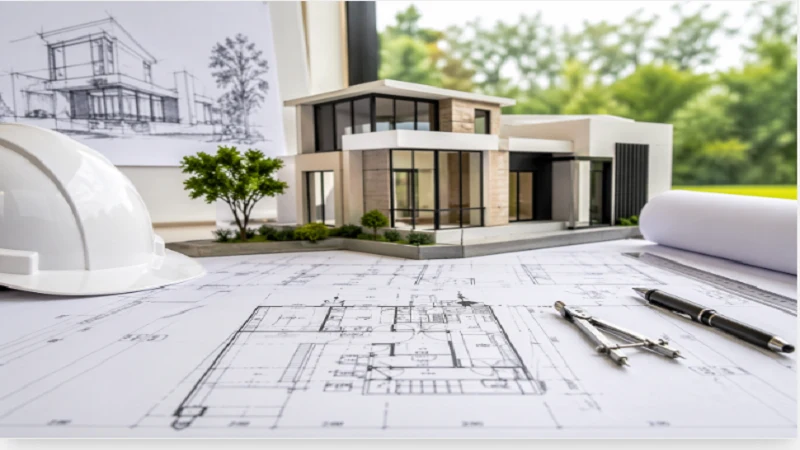
Architecture plays a vital role in shaping the spaces where people live, work, and interact. From homes and offices to public buildings and urban landscapes, thoughtful design improves both functionality and quality of life. In today’s modern world, architectural services are not just about constructing buildings—they are about creating environments that are efficient, sustainable, and visually appealing. The concept behind www. kdarchitects .net reflects this approach by focusing on the importance of planning, creativity, and structured design.
This article provides a simple and informative overview of architecture, its key principles, and guidelines that help create effective and meaningful spaces.
Understanding Architecture
Architecture is the art and science of designing buildings and structures. It combines creativity with technical knowledge to produce spaces that are safe, functional, and aesthetically pleasing.
Architects consider several factors when designing a structure:
- Purpose of the building
- Environmental conditions
- Materials and construction methods
- Cultural and social context
The goal is to create spaces that meet the needs of users while maintaining balance between beauty and practicality.
The Importance of Good Architectural Design
A well-designed building can significantly impact how people feel and function within a space. Good architecture improves comfort, productivity, and overall well-being.
Functionality
A building must serve its intended purpose efficiently. Whether it is a home or an office, proper layout and space planning are essential.
Aesthetic Appeal
Visual design plays a key role in architecture. Attractive buildings enhance surroundings and create a positive impression.
Sustainability
Modern architecture focuses on reducing environmental impact through energy-efficient designs and eco-friendly materials.
Safety
Structural integrity and safety standards are critical in every architectural project.
Key Principles of Architecture
1. Balance and Proportion
Design elements should be arranged in a way that feels stable and visually pleasing.
2. Simplicity
Simple designs are often more effective and easier to maintain.
3. Function First
The purpose of the building should guide every design decision.
4. Harmony with Environment
Buildings should blend with their surroundings rather than disrupt them.
These principles are often reflected in approaches similar to those associated with www. kdarchitects .net, where clarity and purpose are emphasized.
The Architectural Design Process
Creating a building involves several important steps. Each phase ensures that the final result meets expectations and requirements.
Step 1: Planning
This involves understanding the client’s needs, budget, and site conditions.
Step 2: Concept Design
Initial ideas and sketches are developed to visualize the project.
Step 3: Detailed Design
Architects create detailed drawings and select materials.
Step 4: Construction
Builders bring the design to life under professional supervision.
Step 5: Final Review
The completed structure is inspected to ensure quality and compliance.
Types of Architectural Styles
Architecture has evolved over time, resulting in various styles that reflect cultural and historical influences.
Modern Architecture
Focuses on simplicity, clean lines, and minimal decoration.
Traditional Architecture
Inspired by historical designs and cultural heritage.
Contemporary Architecture
Combines modern techniques with innovative ideas.
Sustainable Architecture
Emphasizes eco-friendly materials and energy efficiency.
Understanding these styles helps individuals choose designs that suit their preferences and needs.
Role of Technology in Architecture
Technology has transformed the way buildings are designed and constructed. Tools like computer-aided design (CAD) and 3D modeling allow architects to create accurate and detailed plans.
Benefits of technology in architecture include:
- Improved accuracy in design
- Faster project completion
- Better visualization of structures
- Enhanced communication between teams
The integration of technology is an important aspect often associated with platforms like www. kdarchitects .net, where modern solutions meet practical design needs.
Guidelines for Effective Architectural Design
Focus on User Needs
Always design spaces based on how they will be used.
Optimize Space
Make efficient use of available space without overcrowding.
Use Quality Materials
Durable materials ensure long-lasting structures.
Consider Lighting and Ventilation
Natural light and proper airflow improve comfort and energy efficiency.
Plan for Future Needs
Design buildings that can adapt to changing requirements.
Challenges in Architecture
Architects face several challenges during the design and construction process.
Budget Constraints
Balancing quality and cost can be difficult.
Environmental Concerns
Designing sustainable buildings requires careful planning.
Changing Trends
Architectural styles and preferences evolve over time.
Technical Limitations
Complex designs may require advanced engineering solutions.
Overcoming these challenges requires creativity, experience, and careful planning.
The Future of Architecture
The future of architecture is focused on innovation and sustainability. New trends are shaping how buildings are designed and used.
Smart Buildings
Integration of technology for automation and efficiency.
Green Design
Use of renewable energy and eco-friendly materials.
Urban Planning
Creating cities that are more organized and livable.
Flexible Spaces
Designing spaces that can serve multiple purposes.
These trends highlight the growing importance of thoughtful and forward-thinking design.
Why Simplicity Matters in Design
Simple designs are easier to understand, use, and maintain. Overly complex structures can lead to confusion and higher costs.
Benefits of simplicity include:
- Better usability
- Lower maintenance costs
- Timeless appeal
- Improved efficiency
This approach aligns with the idea of creating practical and meaningful designs.
Conclusion
Architecture is a powerful field that shapes the way people live and interact with their surroundings. From planning and design to construction and innovation, every step plays a crucial role in creating functional and beautiful spaces.
By following key principles, using modern technology, and focusing on user needs, architects can design buildings that stand the test of time. Concepts associated with www. kdarchitects .net highlight the importance of clarity, simplicity, and purpose in architectural design.
Ultimately, good architecture is not just about buildings—it is about creating environments that enhance life, support communities, and contribute to a better future. See More